Translational Discovery Laboratory (TDL)
Preclinical research and procedural training at Brigham and Women’s Hospital
Introduction:
The Translational Discovery Laboratory (TDL) at Brigham and Women’s Hospital partners with academic investigators, clinicians, and industry teams to advance promising therapies and medical technologies from concept toward clinical use. Our large-animal and human cadaveric research capabilities, experienced multidisciplinary team, and proximity to advanced hospital imaging and clinical resources create a high-fidelity environment for translational research.
TDL provides more than access to specialized space and equipment. Our team collaborates with investigators across the research lifecycle, including study design, regulatory and protocol preparation, model development, procedural execution, data collection, tissue acquisition, and physician training. This hands-on approach improves study quality, reduces delays, and helps research teams use resources efficiently.
Why Investigators work with TDL:
-
Clinician-led research grounded in real unmet needs and clinical workflows
-
High-fidelity large-animal and human cadaveric models
-
Integrated support from study design through procedure, imaging, data collection, and tissue analysis
-
Advanced cardiovascular, electrophysiology, imaging, and physiological monitoring capabilities
-
A practical, collaborative operating model for academic and industry-sponsored research
About the Laboratory
TDL is a large-animal and cadaver-based translational research facility supporting the full continuum of biomedical research, from experimental design and protocol development through study execution, analysis, and clinical translation. We support work involving swine, sheep, canines, rabbits, and human cadavers, with particular expertise in cardiovascular research and medical device development.
The laboratory’s collaborative structure is designed for investigators who need an experienced partner as well as specialized facilities. TDL personnel work directly with research teams to develop rigorous, practical study plans and execute complex procedures consistently. These capabilities support investigators throughout the Mass General Brigham system and external academic and industry collaborators.
Research Focus
TDL has particular depth in cardiovascular and device-based research. The laboratory supports early feasibility work, iterative device evaluation, procedural optimization, safety assessment, and preclinical studies that inform clinical trial development. Representative areas include:
-
Coronary intervention, complex PCI, and chronic total occlusion technologies
-
Intravascular imaging, including IVUS and OCT
-
Mechanical circulatory support and large-bore vascular access
-
Electrophysiology mapping, pacing, and ablation
-
Cardiovascular imaging and image-guided intervention
-
Device-tissue interaction, tissue response, and pathology
-
Perfused human cadaveric research and procedural model development
-
Novel cardiopulmonary and critical care technologies
The laboratory’s physician-investigator model allows research questions to be evaluated in the context of clinical anatomy, procedural constraints, device usability, and patient care pathways. This perspective is especially valuable when a technology must progress through repeated design-test-refine cycles before formal preclinical or clinical evaluation.
Facility and Capabilities
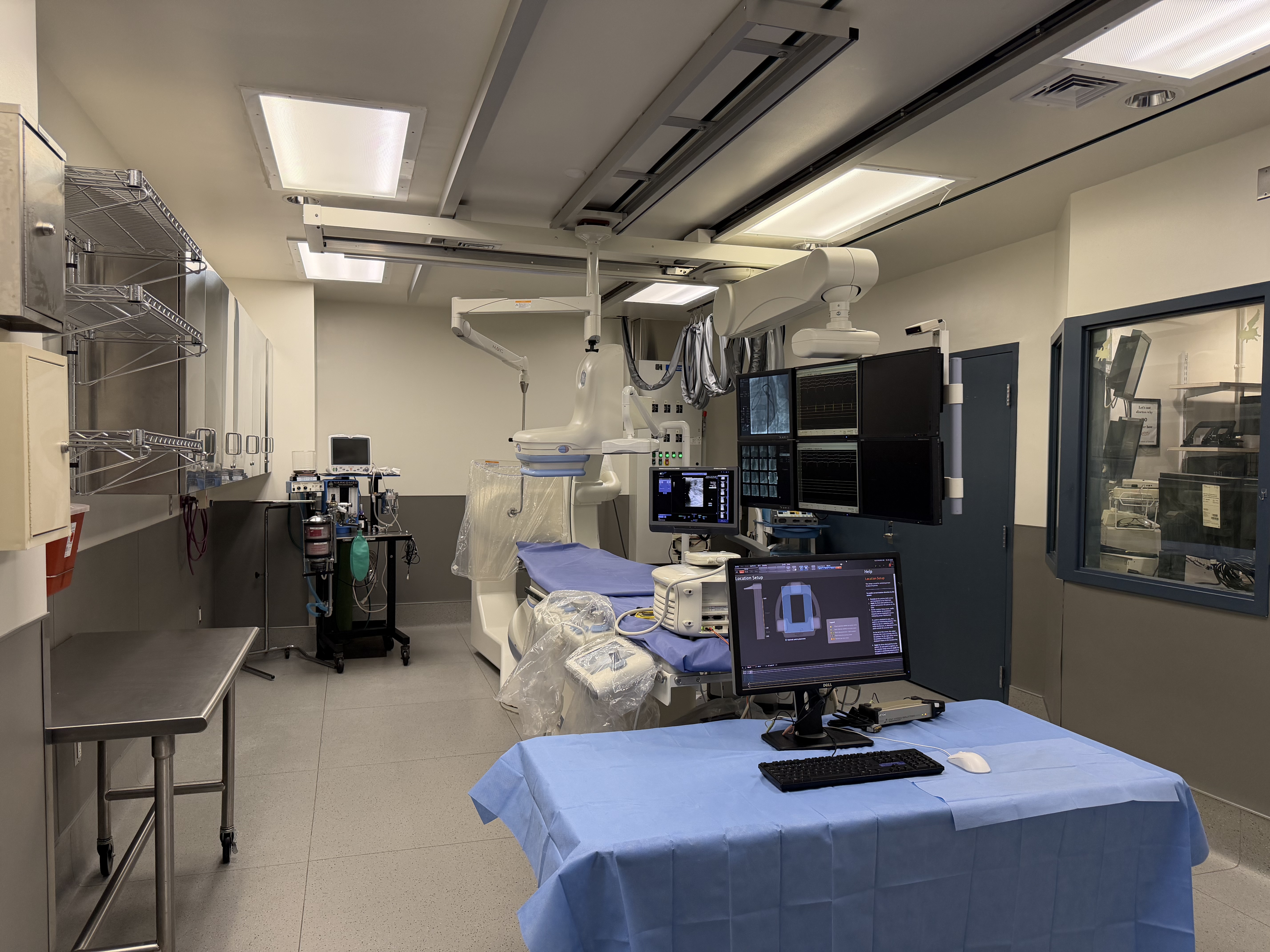
TDL occupies a dedicated preclinical research facility on the MCPHS campus near Brigham and Women’s Hospital and Harvard Medical School. Its location supports close coordination with hospital-based investigators and access to complementary clinical, imaging, surgical, and educational resources.
|
Capability |
Resources |
|
Interventional and surgical suite |
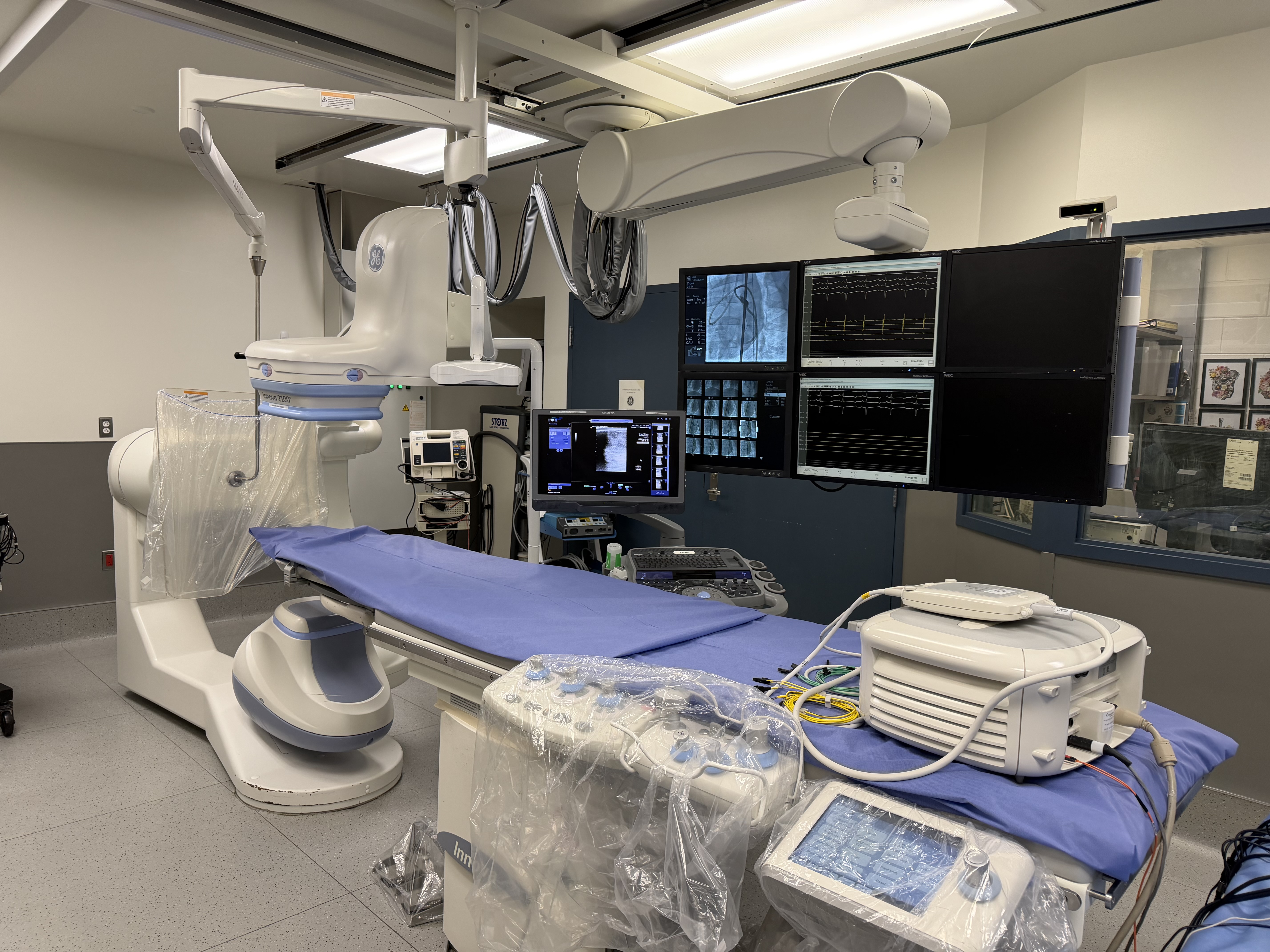
GE Innova fixed floor-mounted flat-panel fluoroscopy with hemodynamic and electrocardiographic monitoring, cardiopulmonary bypass capability, and support for complex image-guided and surgical procedures. |
|
Advanced cardiovascular imaging |
Optical coherence tomography, intravascular ultrasound, intracardiac echocardiography, and a Siemens ACUSON SC2000 PRIME ultrasound platform. |
|
Electrophysiology |
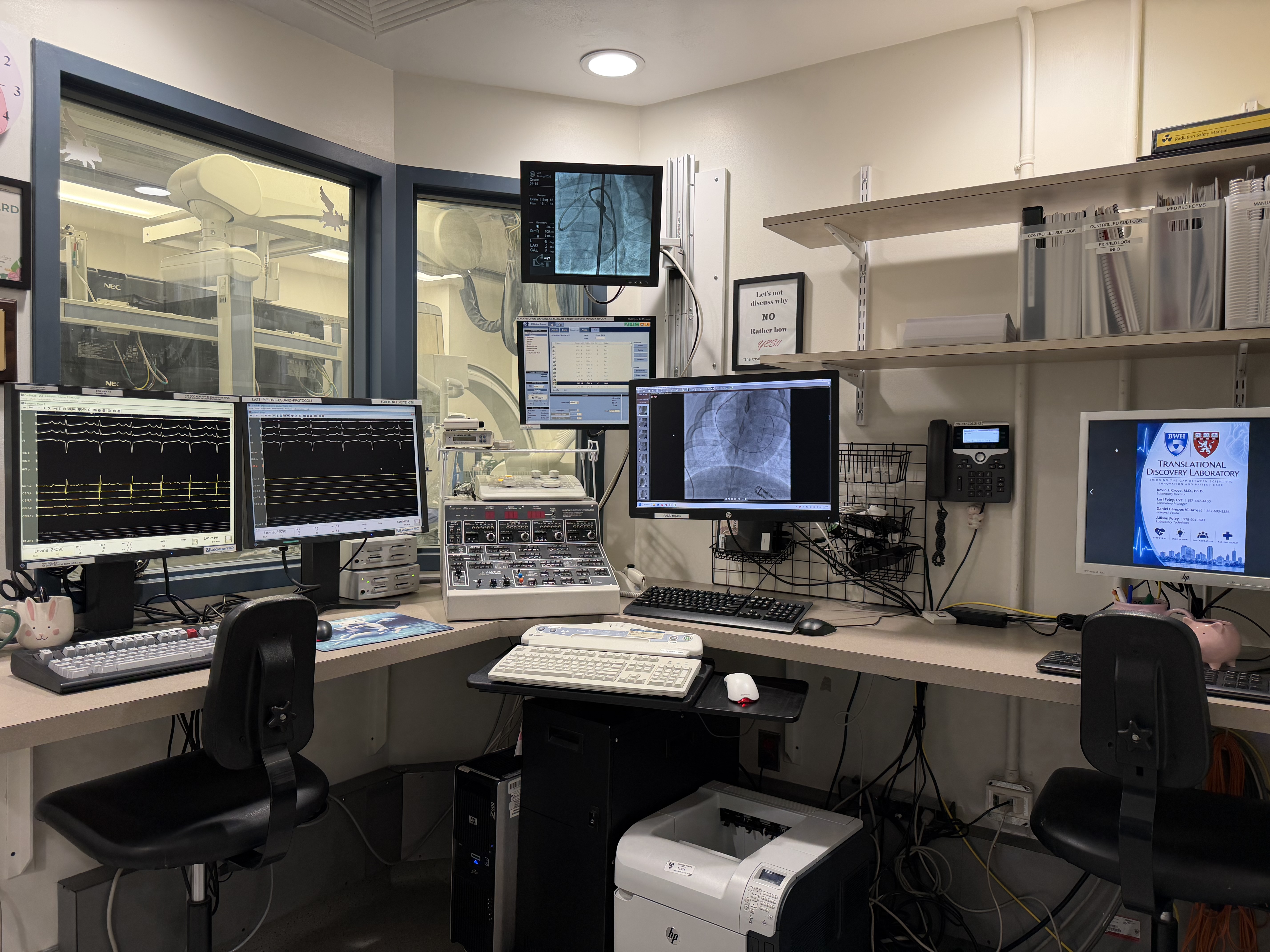
Biosense Webster CARTO electrophysiology mapping and GE Mac-Lab and CardioLab recording systems for mapping, pacing, ablation, and device evaluation. |
|
Cross-sectional imaging |
Access to nearby research-dedicated MRI and CT resources for studies requiring high-resolution anatomical and functional imaging. |
|
Specimen and pathology support |
Study-specific tissue collection, necropsy coordination, and histopathology options. |
Services
TDL offers integrated support for academic, clinical, and industry-sponsored research. Services are tailored to the scientific question, model, procedural requirements, and stage of development.
Translational Research Support
End-to-end planning and operational support for preclinical and translational studies, with direct collaboration throughout study development and execution.
Large-Animal Research
Study support using large-animal models, including procedural assistance, physiological monitoring, data collection, survival study support, and tissue acquisition.
Preclinical Model Development
Design and execution of study-specific surgical, interventional, and disease models aligned with the research objective and evaluation plan.
Study Design Protocol Development and Compliance
Assistance with experimental design, protocol development, study documentation, and navigation of applicable institutional and regulatory requirements.
Cardiovascular Research
Specialized support for interventional cardiology, electrophysiology, hemodynamics, cardiovascular imaging, cardiac surgery, and related therapeutic development.
Medical Device Testing and Evaluation
Preclinical evaluation of medical devices and enabling technologies in collaboration with academic investigators and industry partners.
Electrophysiology Research
Cardiac mapping, pacing, ablation, physiological recording, and evaluation of electrophysiology devices and technologies.
Imaging and Hemodynamic Assessment
Advanced imaging and physiological assessment to characterize anatomy, cardiac function, device performance, and biological responses during experimental studies.
Experimental Procedures and Data Collection
Experienced procedural support and standardized data acquisition designed to promote accurate, consistent, and reproducible study execution.
Tissue Harvesting and Sample Collection
Protocol-directed tissue harvesting and sample collection for downstream pathology, histology, biomarker, and laboratory analyses.
Physician Training and Procedural Education
Hands-on training in a controlled laboratory setting for new devices, procedural techniques, and clinical workflows, tailored to specific educational objectives.
Our Team:
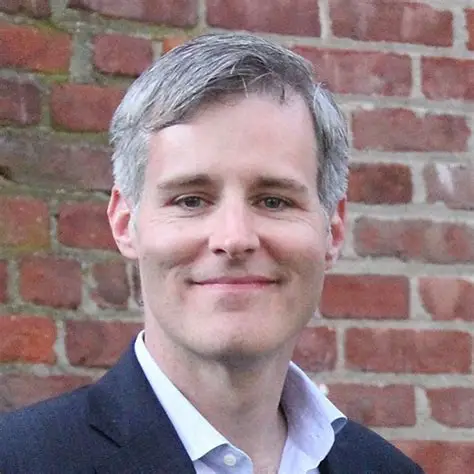
Kevin Croce MD PhD
Laboratory Director
Kevin Croce, MD, PhD, is an interventional cardiologist, Assistant Professor of Medicine at Harvard Medical School, and Director of the Translational Discovery Laboratory at Brigham and Women’s Hospital. He leads TDL’s translational research program and oversees the development and evaluation of innovative therapies and medical devices through preclinical research. Under his direction, TDL brings together clinical expertise, advanced technology, and multidisciplinary collaboration to help investigators move promising concepts toward patient care.
Email: kcroce@bwh.harvard.edu
Lori Foley CVT
Laboratory Manager
Lori Foley, CVT, is the Laboratory Manager of the Translational Discovery Laboratory. A Certified Veterinary Technician, she oversees daily laboratory operations and coordinates research activities, experimental procedures, personnel, equipment, and laboratory resources. She works closely with investigators and research teams to organize projects, anticipate operational needs, and support safe and efficient study execution.
Daniel Campos Villarreal MD
Research Fellow
Daniel Campos Villarreal, MD, is a Postdoctoral Research Fellow with the Translational Discovery Laboratory at Brigham and Women’s Hospital and a member of the BWH Biophysics Laboratory. His work focuses on translational cardiovascular research, supporting the development and evaluation of innovative therapies and medical devices through preclinical investigation. He collaborates with physicians, researchers, and multidisciplinary teams to conduct experimental studies and advance promising technologies toward clinical application.
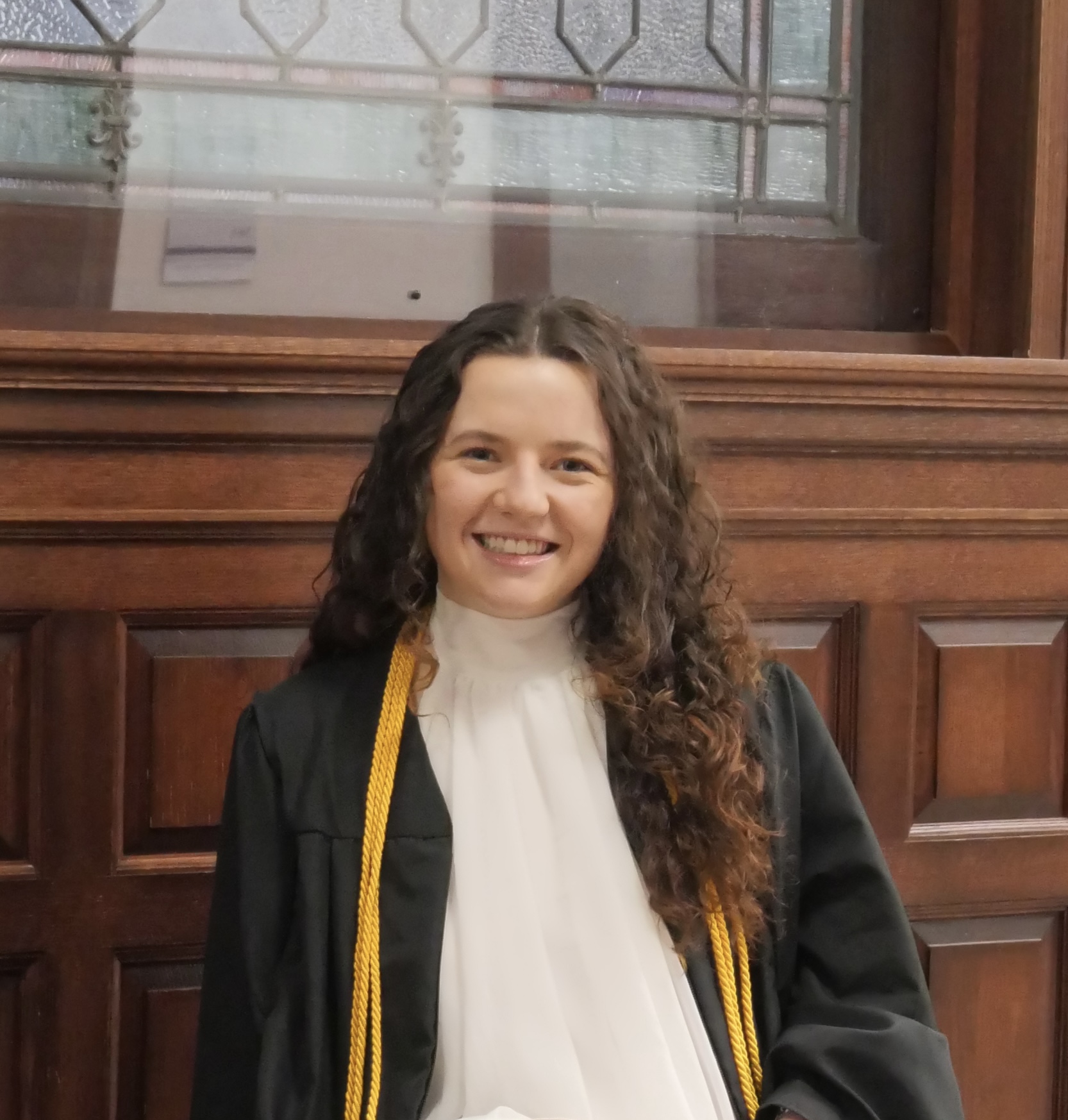
Allison Foley
Research Assistant
Allison Foley is a Laboratory Technician with the Translational Discovery Laboratory at Brigham and Women’s Hospital. She supports preclinical research and laboratory operations, assisting with experimental procedures, study preparation, equipment, and day-to-day laboratory activities. She works closely with investigators and the TDL team to support the execution of research studies and the development and evaluation of innovative cardiovascular therapies and medical devices.
Start a Project:
Investigators are encouraged to contact TDL early in project development. An initial consultation allows our team to understand the scientific objective, model and procedural needs, timeline, imaging requirements, regulatory pathway, staffing, and budget. We can then help define the appropriate scope and next steps.
To discuss a study or training program, email Lori Foley at lfoley5@bwh.harvard.edu
What Users Say:
“Our team heavily relied on the expertise of the Translational Discovery Laboratory for successful completion of our complex project. From their knowledge of project protocols to animal behavior to complex surgical techniques and devices, they were critical at every step of our multi-year and multi-institutional collaboration. In addition to their expertise, their extreme professionalism was demonstrated in consistently going above and beyond to simply make things happen. Whether it was early mornings or trips to gather supplies, their team made a daunting project feasible. We are incredibly grateful to have had the pleasure of collaborating with the TDL and would recommend their staff and resources to any researcher seeking to perform complex animal studies.”- Ilaria Caturegli MD
From the team of Yolanda L. Colson MD PhD and Chandrajit P. Raut MD MS